Swissphysiobhutan
  • Home
  • How to support
  • Partners
  • Weekly Blog
  • Contact & About
  • Home
  • How to support
  • Partners
  • Weekly Blog
  • Contact & About

Bhutan Physio

and culture blogs

Life as a Yak herder

7/3/2026

0 Comments

 
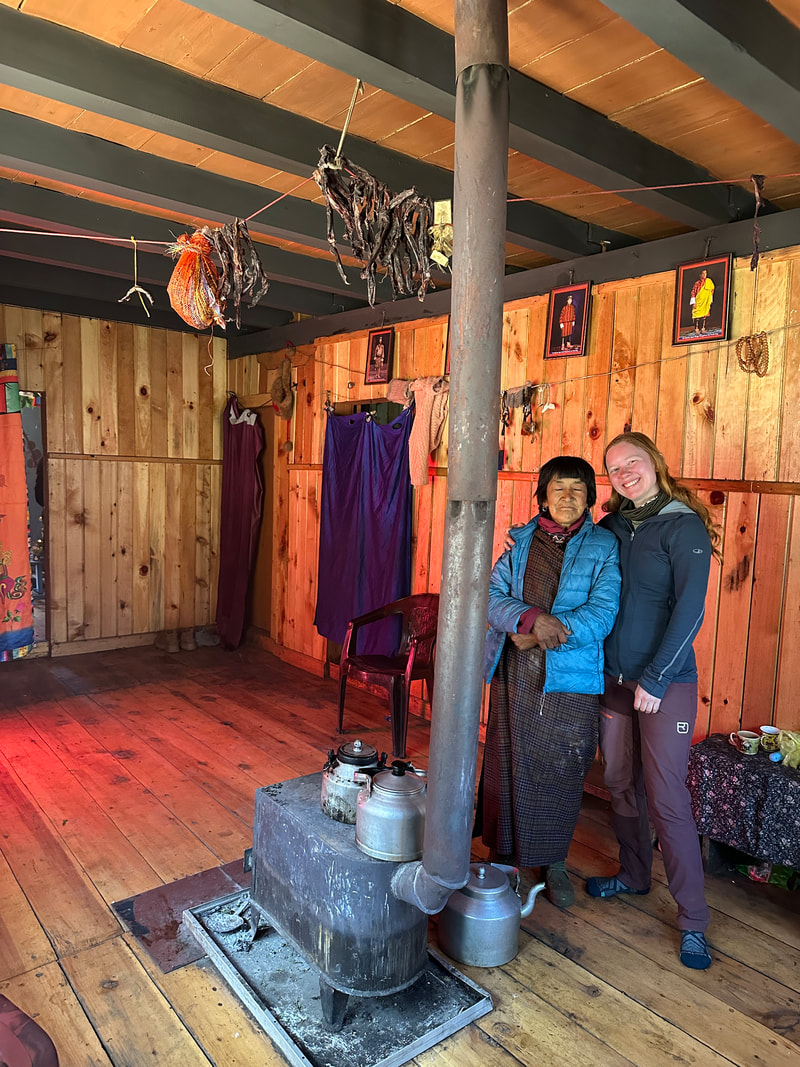
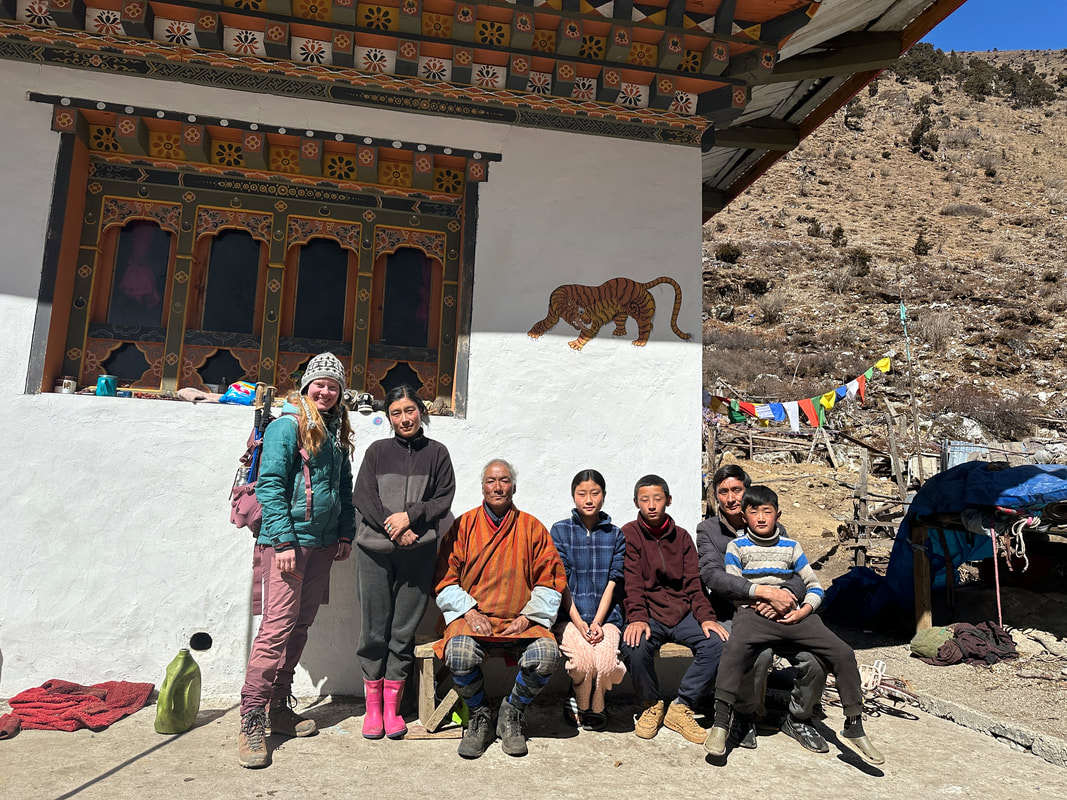
During my trek to Jomolhari Base Camp we came across a yak-herding family living at about 4,000 meters altitude. They kindly invited us into their home for tea. They served us suja (butter tea) made with yak butter. The tea was very nourishing but had quite a strong taste. After one cup I had basically had enough, but they insisted we drink a little more, so we did, along with some biscuits and zao (puffed rice).
​The woman of the house told our guide many things about their life, which he then translated for me. They live there year-round, and about once a month someone travels all the way down to Paro to buy essential food and other necessities. Very little grows at that altitude, so most supplies must be purchased and carried up by horses.
Picture
Picture
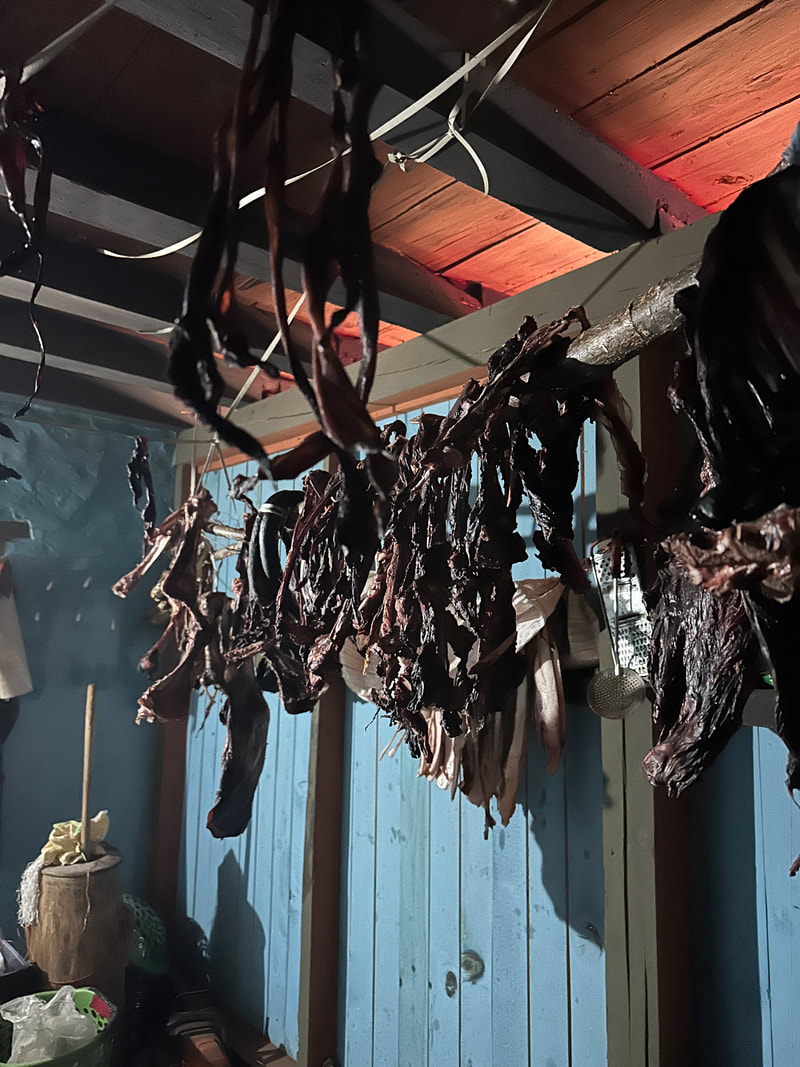
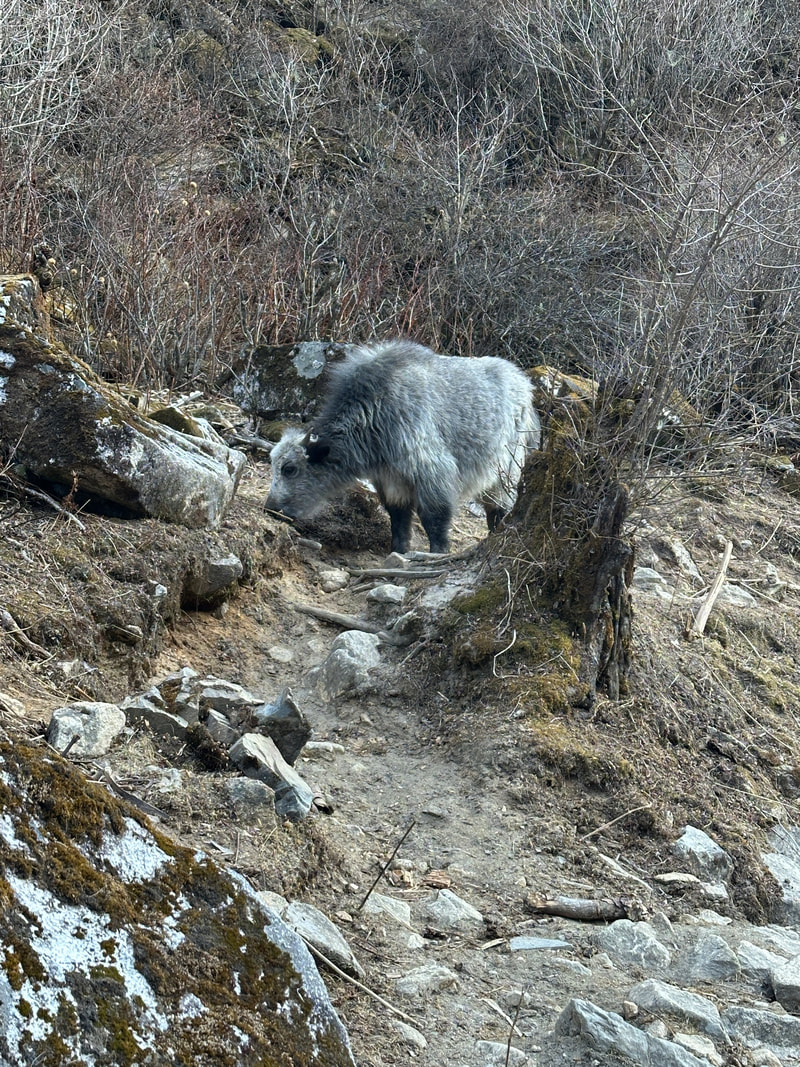
The family mainly lives from yak products such as cheese, butter, and milk, which they sell. In addition, each household is allowed to send three members to collect cordyceps, a valuable fungus that can be sold for a good price because of its reputed health benefits. Nowadays they no longer slaughter yaks for meat. However, if an animal dies from a fall or is killed by a snow leopard, they collect the meat and dry it for several months so it can be preserved. 
Picture
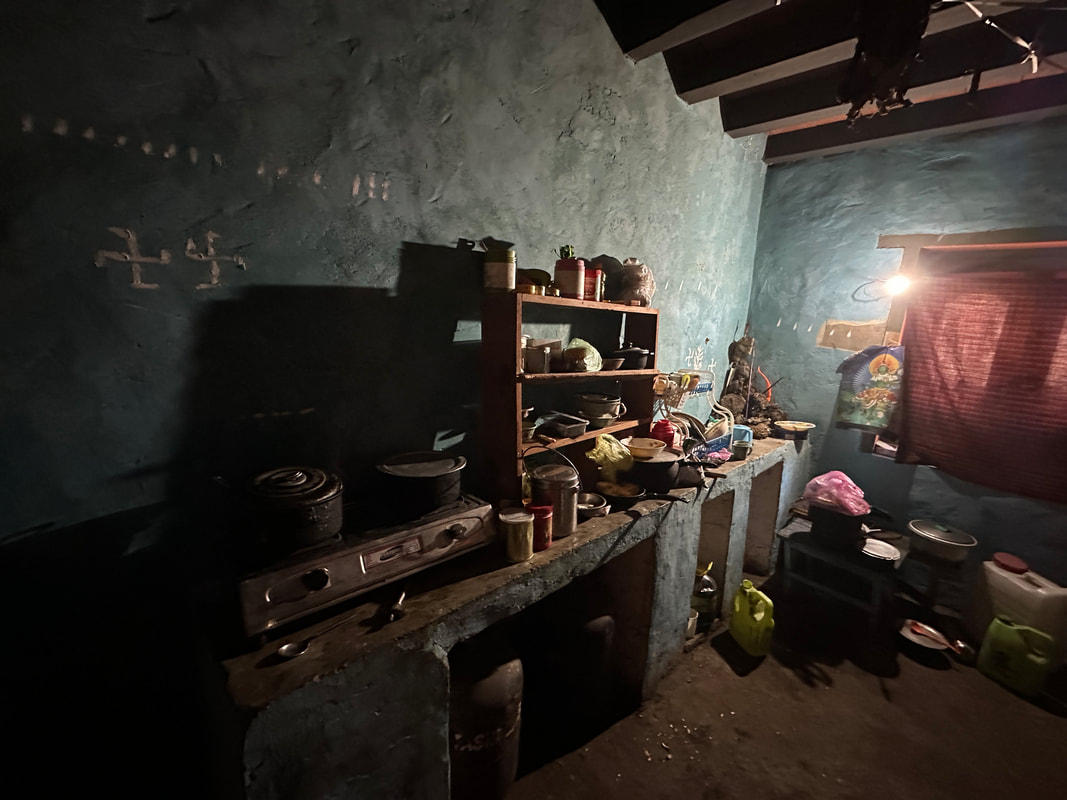
They even showed us the different rooms of their house, which was very interesting. The kitchen was quite dark, lit only by a small and rather weak light source. Dried meat hung from the ceiling, and in another corner they had piled up yak dung, which they use as fuel because there are no trees at this altitude and therefore almost no wood available for fires. I did not stay long in the kitchen because it was extremely cold. In fact, the whole house is cold. The only heating source is a wood stove in the living room. Even in the single sleeping room, where more than seven family members sleep, there is no heating—only warm blankets. Because of this, some of them sleep in the living room near the stove. The only other room in the house serves as a prayer room, with a small but beautiful altar.
Picture
Picture
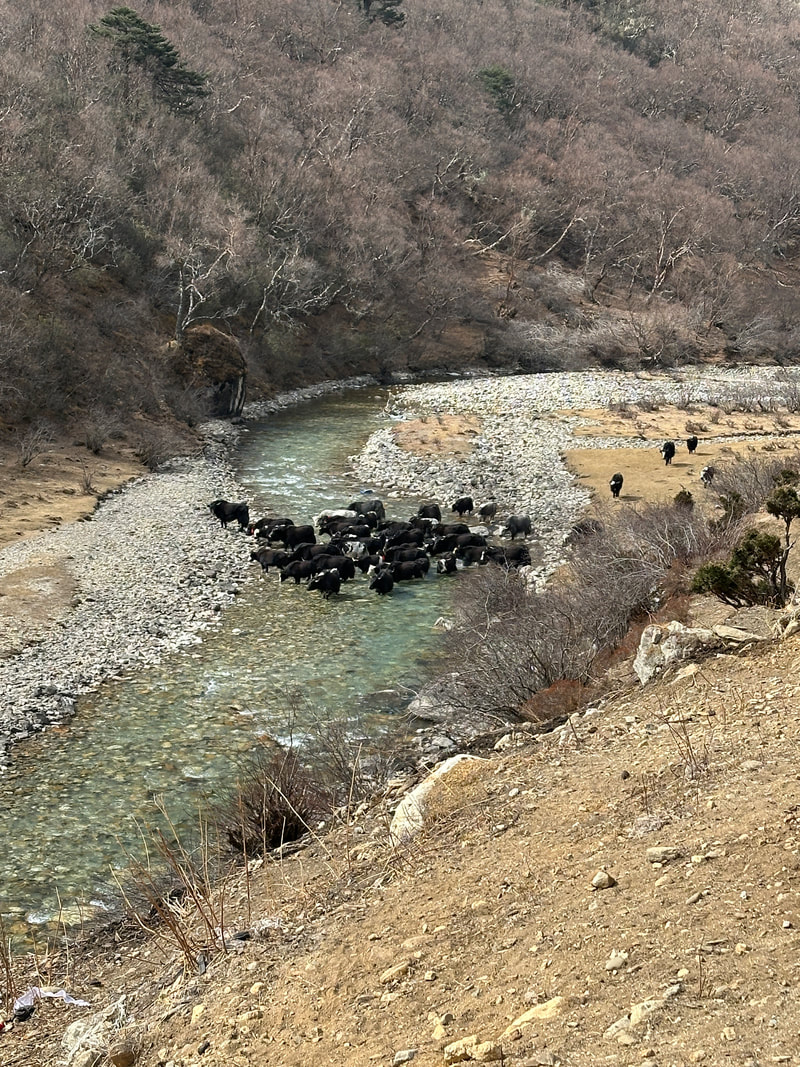
Every day they take their 40 yaks out to graze in the meadows and gather them again in the evening. Some of the animals return by themselves, but many do not. Since the yaks are not kept behind fences, the family must call for them and go out to collect them in the evenings. Many families in the area actually own more than 100 yaks.
In this remote and scattered mountain settlement there is a primary school, which the family’s eight-year-old son attends. Every day he walks about half an hour to reach it. Their older daughter has to attend a boarding school in Paro, as there are no further schooling options nearby. Their eldest son is a monk and spends most of his time living in his monastery. It is a tough life—simple, physically demanding, and lived in a harsh mountain environment.
Picture
0 Comments


Leave a Reply.

Copyright by schochworks gmbh. All rights reserved.